
Ferrari’s first fully electric car has proved considerably more popular than its polarising reveal might have suggested.
The Ferrari Luce reportedly sold out its 2026 production allocation within two months of its unveiling, including immediate orders from Australia and New Zealand after the model’s global reveal.
Ferrari Australasia president Michele Comelli confirmed to CarExpert that orders have been placed and allocations secured in both countries, with the first customer cars due to arrive in late 2027.
“I’m pleased to confirm the availability of the Ferrari Luce in Australia and New Zealand,” Mr Comelli told CarExpert.
“Since its initial announcement last October, the Ferrari Luce has been the subject of high interest from both customers and new-to-brand people, with first orders placed in both markets immediately following the world premiere in Rome.”
Mr Comelli said the first Australian customer cars are planned to arrive in the fourth quarter (October to December) of 2027, meaning local buyers will wait for over a year for the brand’s first EV to arrive in their garage.
Ferrari will also bring a Luce to Australia before customer deliveries begin, with a single example scheduled to arrive in September for a series of exclusive preview events hosted by Ferrari’s official dealer network.
“We look forward to sharing that moment in the coming weeks,” said Mr Comelli.
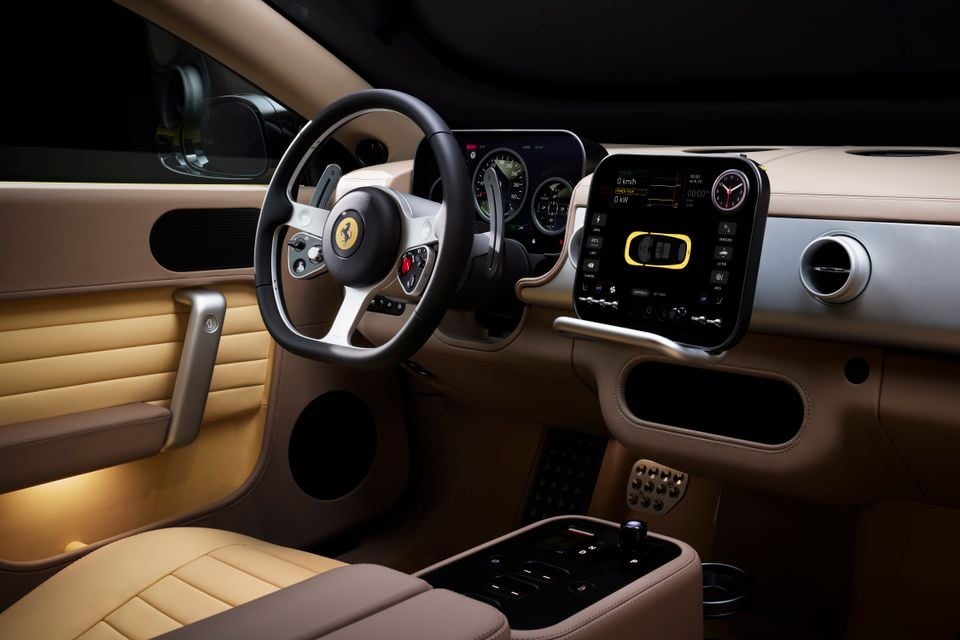
According to the Financial Times, Ferrari reached its undisclosed 2026 sales target for the Luce in July, less than two months after its global reveal. Sources familiar with the company’s internal forecasts claimed it had aimed to sell just under 500 examples of the €550,000 (~A$898,000) electric grand tourer this year.
Ferrari built and delivered 15,451 cars in 2025 and production is expected to increase in 2026, meaning if the FT report is correct, Luce builds would only account for around three per cent of the Italian automaker’s total annual production.
The strong demand comes despite significant criticism of the Luce’s unconventional design when it was revealed in Rome in May, including judgement from some Ferrari enthusiasts and investors.
The backlash was significant enough for former Ferrari chairman Luca Cordero di Montezemolo to publicly suggest the car should lose its famous prancing horse badge.
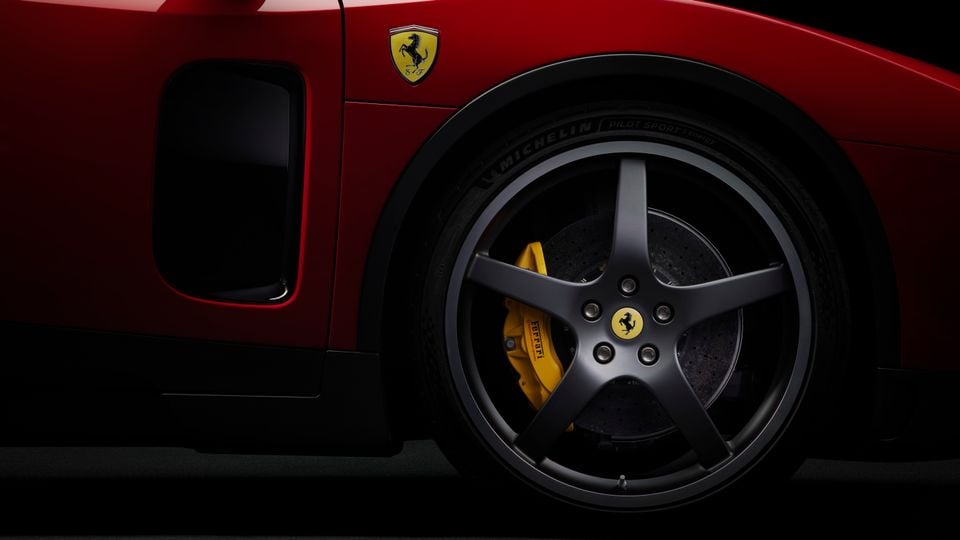
The Luce is a significant departure for Ferrari. It’s the brand’s first battery-electric vehicle, as well as its first five-seat model, and only its second four-door production car after the Purosangue.
Rather than replacing any of Ferrari’s current combustion-engined models, the Luce forms part of the company’s multi-energy strategy, with petrol, hybrid and electric models set to coexist.
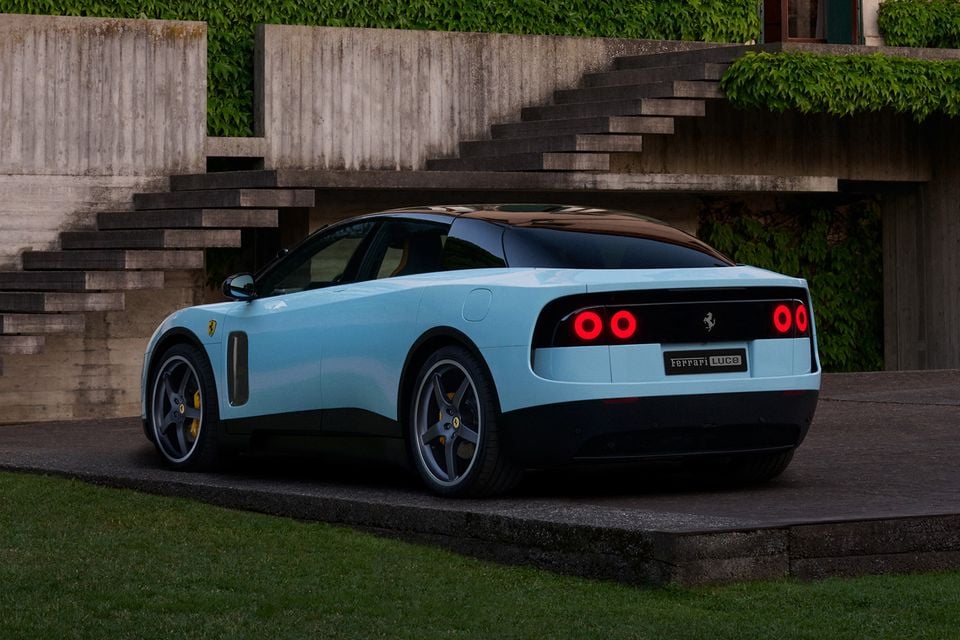
The Luce’s design has arguably generated as much attention as its electric powertrain.
Designed in collaboration with LoveFrom, the creative collective founded by former Apple design chief Sir Jony Ive and Marc Newson, it adopts a radically different interpretation of the Ferrari design language.
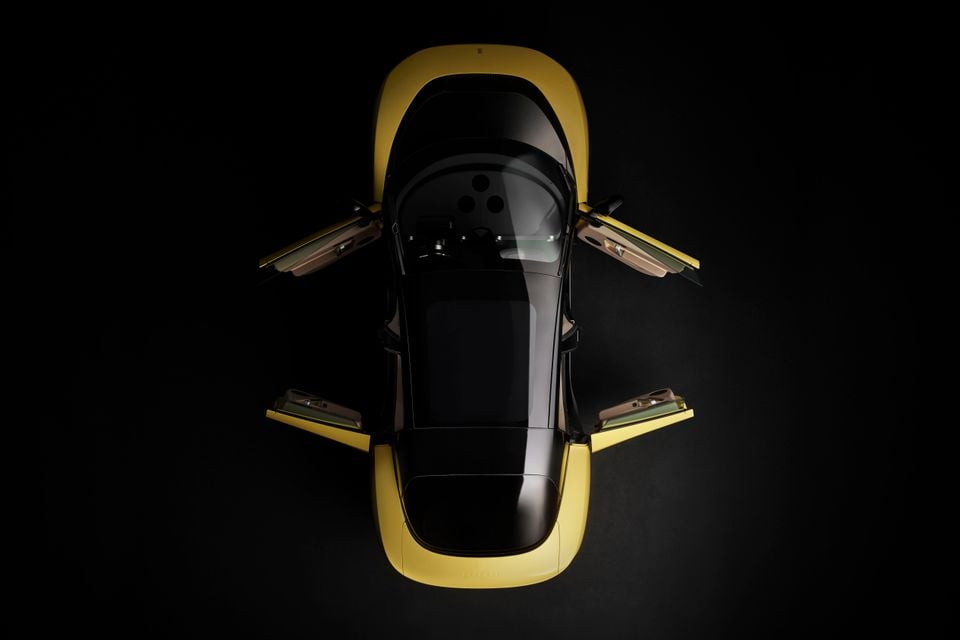
Its large glazed ‘glass house’, floating aerodynamic wings and unusually clean surfaces have prompted comparisons with mass-market vehicles on social media after its unveiling.
Ferrari’s share price also fell more than eight per cent in the first trading session following the reveal, according to the Financial Times, although the company’s shares have since recovered by over 24 per cent and are now trading at €353.60 (A$577) per share.
And the company’s sales suggest the controversy hasn’t stopped wealthy buyers from wanting one.
Ferrari management in multiple markets, including Australasia, says interest in the Luce has come not only from its existing customer base, but also from new buyers, with widely reported strong demand in China and positive feedback from technology entrepreneurs in the United States.
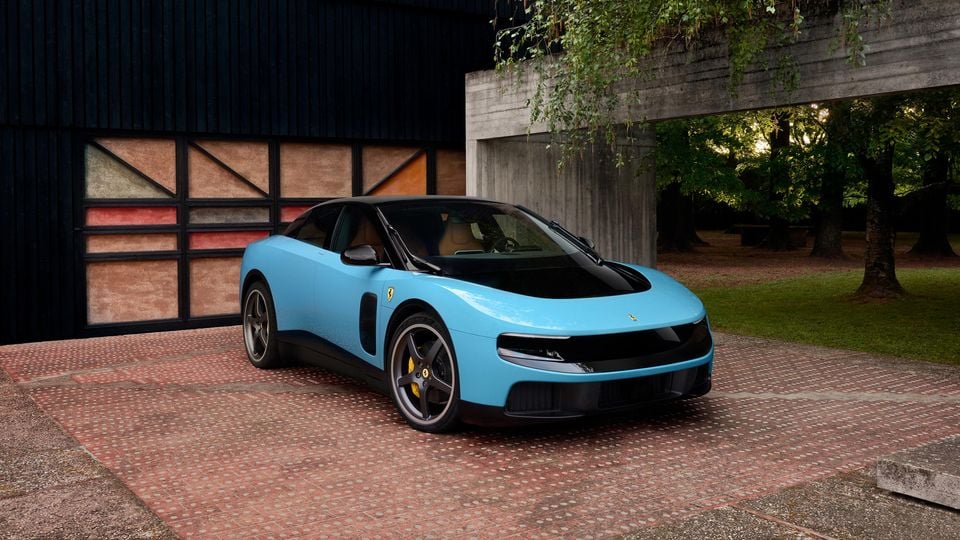
That fits Ferrari’s stated strategy for the Luce, which is designed to introduce the brand to wealthy customers already comfortable with electric vehicles (EVs) rather than forcing traditional Ferrari owners to abandon petrol-powered models.
Underneath its unconventional bodywork, the Luce is every bit as serious as its badge suggests.
It uses four electric motors – one at each wheel – producing 772kW of power and 990Nm of torque. Ferrari claims a 0-100km/h time of 2.5 seconds, a 0-200km/h time of 6.8 seconds and a top speed of 310km/h.
It features a 122kWh battery made in-house and an 800V electrical architecture, with a claimed driving range of more than 530km on the WLTP cycle.
It also weighs 2260kg, although Ferrari says its low-mounted battery gives it a lower centre of gravity than the Purosangue. Thanks to sophisticated suspension, the Luce is claimed to handle and change direction like a car around 400kg lighter.
Despite being electric, the company says it sees the Luce as a way to showcase its technological prowess while attracting an entirely new generation of customers.
With confirmed orders for Australian buyers, it appears some of those new customers are much closer to home than many might have expected.


