
[ad_1]
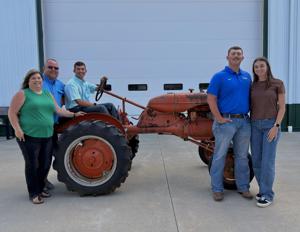
The first of a few to come, an opportunity to hear from our area’s young agricultural leadership. Of the 30 college-bound students around the state, Farm Credit Illinois awarded six locals hailing from East Central Illinois — and to kick it off is Will Hilligoss from rural Lovington.
How long has your family been farming?
My family has been involved in farming for at least five generations. My parents were married in 2000 and purchased our family farm in 2001. They have been farming for about 25 years. Before them, my grandfather, great-grandfather and great-great-grandfather were all farmers dating back to the mid-1920s. Farming has been an important part of our family’s history for many years.
Where is your farm operation?
Our farm operation is located in rural Lovington. We farm in central Illinois, surrounded by productive agricultural land. The location provides good opportunities for grain farming and access to nearby agricultural services.
How and why did your family come to this area, and where did they come from?
My parents purchased the farm where we currently live and operate. They chose this area because it is conveniently located between Champaign and Decatur, where they both work off the farm. The location allows them to balance their careers while continuing our family’s farming tradition. It has been a great place to raise our family and farm.
What does your farming operation consist of? Is it strictly a grain operation, livestock or other?
Our farm is currently a grain operation. We primarily raise corn and soybeans. In the past, my dad, brother and I have raised cattle. My dad and grandfather also raised Landrace hogs for several years. While livestock is no longer part of the operation, it remains an important part of our family’s farming history.
How many people in the family does the operation support?
Our family consists of four people. The farm contributes to our family’s livelihood, but it does not fully support us financially. Both of my parents have always worked off the farm in addition to farming. Their off-farm careers help provide financial stability while allowing us to continue farming.
How many generations of farmers are there?
I represent the fifth generation of farmers in my family. Farming has been passed down through our family for generations. I am proud to continue that tradition.
Do you have any members of the family in the farm operation also working other jobs?
Yes, both of my parents work off the farm. My mom works in the insurance industry in Champaign, and my dad works in farm management and farm real estate in Decatur. In addition to their regular jobs, my parents previously owned a trucking and backhoe business that helped support our farming operation.
They used the equipment for projects on our farm as well as to assist neighboring farmers with drainage tile repairs, brush removal, ditch work and other cleanup projects. This business benefited our farm by helping us maintain and improve our land while also allowing us to serve others in the agricultural community. My brother and I have also worked part time at The Great Pumpkin Patch in Arthur.
What is the best lesson agriculture has taught you?
Agriculture has taught me the value of hard work and always doing my best. Farming requires dedication, patience and perseverance every day. It has also strengthened my faith in God.
I believe God’s timing is always perfect, and he often provides the rain and growing conditions needed for our crops to succeed. Agriculture has taught me to trust the process and remain thankful for the blessings we receive.
What’s next for you academically?
I plan to attend Lake Land College and study agriculture in the fall of 2026. I will be a third generation Lake Land student who studied agriculture following in my dad and grandfather’s footsteps. After graduating from Lake Land, I hope to transfer to a four-year university to earn a bachelor’s degree in agriculture as my father and grandfather did.
My goal is to pursue a career in agribusiness or agricultural production. I want to remain involved in agriculture while building a successful career in the industry.
What are some challenges that the next generation of farmers will have to tackle?
One of the biggest challenges facing the next generation of farmers is the difficulty of getting started. Land prices, equipment costs and operating expenses continue to increase, making it difficult for young farmers to enter the industry. It also takes more acres than ever before to make a living solely from farming.
To encourage younger farmers, there should be more opportunities for beginning farmer programs, affordable financing, mentorship and access to land. Supporting young people who are interested in agriculture is essential for the future of the industry.
What does the Farm Credit Illinois scholarship mean to you and how will it help?
The Farm Credit Illinois Scholarship means a great deal to me. Many agriculture students view it as one of the most prestigious scholarships available, almost like the “Super Bowl” of agricultural scholarships.
Farm Credit Illinois does more than provide financial assistance; they invest in students and help promote future leaders in agriculture. This scholarship would help support my education while encouraging me to continue pursuing my goals in the agricultural industry.
How have you seen farming change over the years?
Farming has changed tremendously through advances in technology. While my dad still uses some equipment that is over 50 years old and continues to get the job done, newer machinery has become larger, more efficient and more precise. Improvements in seed genetics, fertilizers, crop protection products, GPS technology and drones have transformed the way farmers manage their operations.
These innovations have helped increase efficiency and productivity while allowing farmers to make better decisions in the field.
Your farm equipment: Green (John Deere), Red (Case IH) or other?
Our farm uses a combination of equipment brands. We primarily use orange Allis-Chalmers tractors, which have been a long-standing part of our operation.
We also use a John Deere planter and combine. This combination has served our family well and continues to meet our farming needs.
What makes farming such a good vocation?
Farming is rewarding because you get to see the results of your hard work from beginning to end. You plant the crop, care for it throughout the growing season, and then harvest what you have worked so hard to produce.
Aside from God’s blessings through weather and growing conditions, much of the success comes from the effort and dedication of the farmer. Farming also teaches that you do not need the newest or most expensive equipment to be successful. Even older equipment can produce excellent crops when used properly and maintained well.
What soil conservation practices do you employ?
We use several soil-conservation practices on our farm. We practice reduced or minimum tillage whenever possible to help preserve soil structure and reduce erosion. My dad and grandfather have also no-tilled soybeans over the years.
In addition, we maintain waterways and repair drainage tile to improve water management and protect soil health. These practices help us preserve our land for future generations.
If you could change one thing about farming, what would it be?
If I could change one thing about farming, it would be the high cost of production. Expenses such as land, equipment, seed, fertilizer and fuel continue to increase every year. These rising costs make it difficult for young people to get started in farming and for existing farmers to remain profitable. Lowering the financial barriers would help encourage more young people to enter the agricultural industry.
What’s the best time of year to be on the farm?
In my opinion, harvest is the best time of year to be on the farm. Harvest is when you get to see the results of all the hard work that began in April and May. It is rewarding to watch the crop come out of the field and know that your efforts throughout the growing season paid off. Harvest is a busy time, but it is also one of the most satisfying seasons in agriculture.
[ad_2]
Source link


