
[ad_1]
From new invasive species threats to updates on how to manage them, the world of invasive species is always changing. Learn about emerging invasives, explore management options, share ideas, and celebrate success stories this May at the annual Illinois Invasive Species Symposium hosted by University of Illinois Extension.
Invasive species are a serious threat to Illinois natural areas, waterways, and farmland, and once they take hold, removing them is an expensive and lengthy process. The symposium offers landowners and managers tools and resources to prevent the spread of invasive species and manage them effectively.
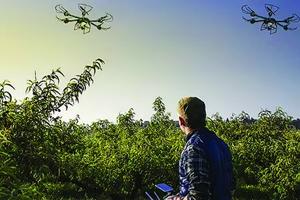
University researchers, students, and industry professionals will present updates on emerging invasive species, drones as a management tool, silver carp movement in the Illinois River, prescribed fire to remove stiltgrass, how invasive tick species affect cattle, and more. The symposium also includes a Q&A panel discussion on managing land-based invasive species with speakers from the Illinois Nature Preserves Commission and the Illinois Department of Natural Resources.
The symposium will be from 9:30 a.m. to 3:30 p.m. on May 28 at the Champaign County Extension Office, 801 N. Country Fair Dr., Champaign. The event is open to the public, industry professionals, students, farmers, foresters, homeowners, and volunteers.
A limited number of seats are available. Sign up by May 20 at go.illinois.edu/InvasiveSymposium. The cost is $25 and includes lunch. For more information, contact Karla Griesbaum at 217-333-7672 or kherzma2@illinois.edu. If you need a reasonable accommodation to participate, please contact the event coordinator. Early requests are strongly encouraged to allow sufficient time to meet your needs.
Extension’s natural resources, environment, and energy program provides research-based education for awareness and action to sustain healthy environments and ecosystems that support quality living and resilient communities. Extension staff empower people across Illinois to make a difference through the Master Naturalist, Climate Steward, and Watershed Steward volunteer and training programs.
[ad_2]
Source link


